How Can I Prevent Moisture Problems in My Basement in 2026?
Moisture in a basement can turn from a minor nuisance to a serious structural concern if it is not addressed quickly and correctly. In 2026, homeowners are more aware than ever that moisture can damage property value, promote mold growth, harm indoor air quality, and compromise the very foundation of a home.
Grand Building Construction, a leader in residential improvements, has helped dozens of homeowners tackle this issue head-on. The key to preventing moisture problems is a mix of smart design, proper maintenance, and using the right materials for the climate you live in.
Whether you are considering basement remodeling in Kent to create more living space or simply want to protect your property investment, moisture control should be a priority. Let’s understand the practical strategies you can implement now and over time to ensure your basement stays dry, functional, and comfortable.
Understanding the Root of Basement Moisture
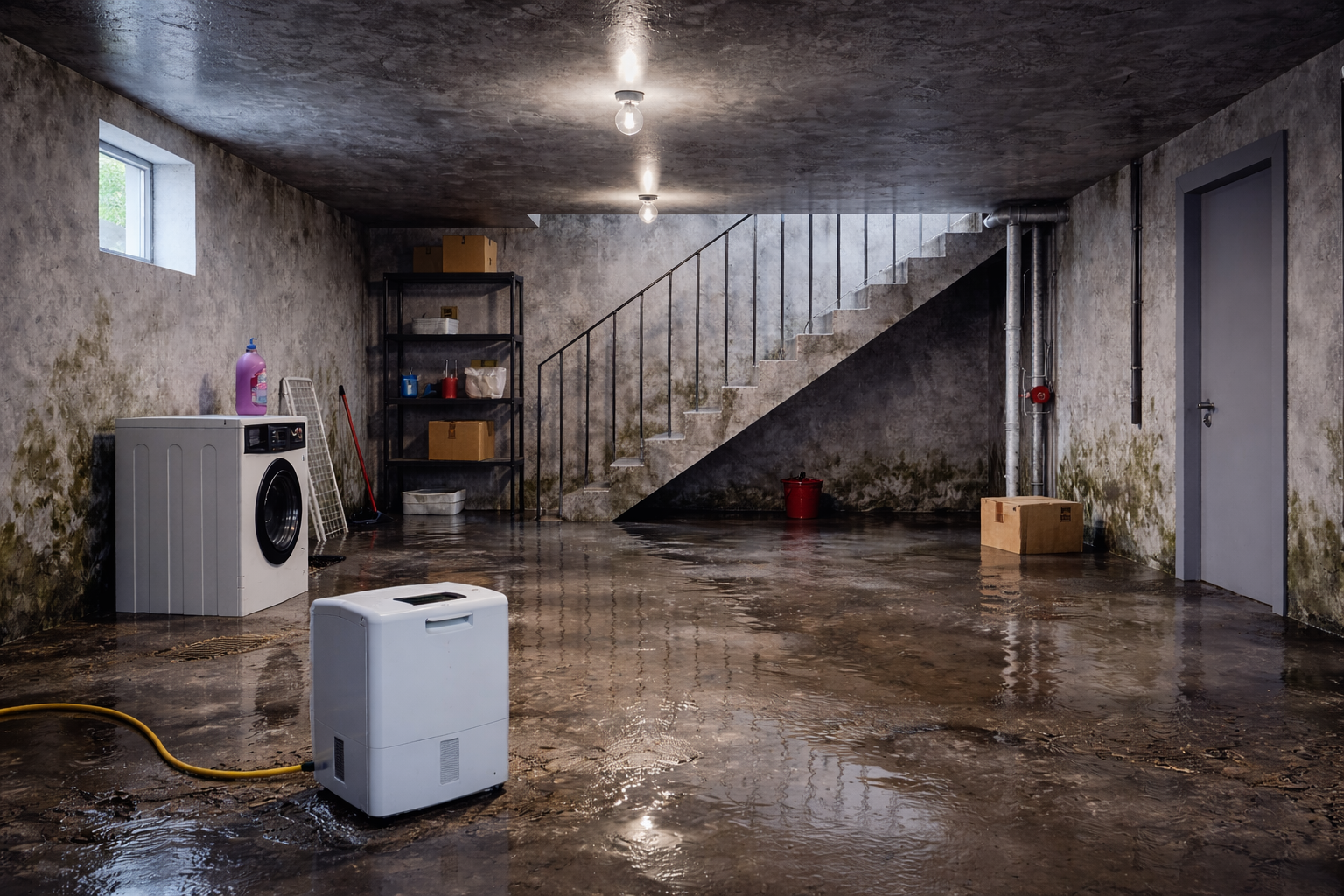
Before diving into prevention steps, it helps to understand why basements get wet. Moisture enters basements in three primary ways:
- Groundwater seepage through cracks in the foundation walls and floor.
- Surface water runoff from rain or melting snow that drains toward your foundation.
- Indoor humidity and condensation from daily activities and temperature differences.
In 2026, we have better tools and materials available than ever before to combat these issues. Whilegood design starts with a clear diagnosis. If you notice damp walls, musty odors, peeling paint, efflorescence, or visible water accumulation, moisture is already influencing your basement condition.
Grade the Land Away from Your Foundation
One of the simplest yet most often overlooked ways to prevent basement moisture is to ensure proper grading around the home. The ground around your foundation should slope away so that water flows away from the structure instead of pooling next to it. Ideally, a slope of about 6 inches in the first 10 feet away from your home promotes good drainage.
When planning basement remodeling in Kent or any major upgrade, inspect the surrounding grade and modify it if needed. Soil settles over time, especially after construction, and can create low spots that trap water.
Maintain Gutters and Downspouts
Rainwater management starts at the roofline. Gutters that are clogged with leaves, twigs, or debris will overflow, sending water splashing against your foundation. Downspouts that dump water at the base of your home exacerbate this problem.
In 2026, you have more options for gutter protection and downspout extensions that carry water further away. Clean gutters at least twice per year, or install protective guards to reduce maintenance.
Extend downspouts so water discharges at least 4 to 6 feet from the foundation. This simple step reduces the chance that water will find its way into your basement.
Install a Perimeter Drainage System
For properties with chronic moisture issues, an interior or exterior perimeter drainage system can make a major difference. These systems collect water at the base of the foundation and move it to a safe discharge point, preventing hydrostatic pressure from building up against basement walls.
An exterior French drain involves digging around the foundation, installing drainage pipe in gravel, and channeling water away. If exterior excavation is not feasible, an interior perimeter drain paired with a sump pump can be installed beneath the basement slab. The fluid is collected and pumped safely outside.
When you choose basement remodeling services, inquire about drainage upgrades as part of the project. Professional contractors will evaluate soil conditions, water flow patterns, and basement wall conditions to tailor a solution that fits your home.
Seal Cracks and Joints
Cracks in basement walls and floors are a common entry point for moisture. These can be caused by soil movement, temperature changes, or even foundation settlement. Identifying and sealing them is an essential step in moisture prevention.
Use high-quality hydraulic cement or epoxy injection to fill cracks. For significant structural cracks, consult a structural engineer or experienced contractor. During basement remodeling in Kent planning, address these issues early so they can be corrected before finishing walls and floors.
Use Waterproofing Membranes and Coatings
Modern waterproofing membranes and coatings offer robust protection against moisture transmission. Structural waterproofing should be considered during initial construction or major renovation if your basement is frequently damp.
Waterproofing paint is suitable for minor moisture control, but a membrane system provides a more reliable barrier.
For finished basements, consider installing vapor barriers on interior walls and floors. These barriers reduce the risk of moisture migrating through block or poured concrete.
Whether you are planning full basement remodeling in Kent or incremental upgrades, selecting the right membrane and application method is vital. Partner with professionals who understand local soil moisture tendencies and climate factors.
Improve Indoor Airflow and Ventilation
Humidity inside the basement can come from damp laundry, houseplants, ground moisture, and daily living activities. Without proper ventilation, this humidity can condense on cold surfaces, leading to dampness and mold.
Install energy-efficient ventilation systems or dehumidifiers to maintain indoor humidity levels between 30 and 50 percent. A properly sized dehumidifier reduces moisture quickly and can be integrated into your HVAC system for continuous control. Keep air moving by opening doors and windows when outdoor conditions are dry.
If your goal is basement remodeling in Kent for additional living space, like a home office or playroom, proper ventilation is a design necessity. Airflow strategies help keep the environment healthy and comfortable year-round.
Choose Moisture-Resistant Finishes
When finishing a basement, your choice of materials makes a difference in moisture control. Avoid materials that absorb moisture easily. Instead, select moisture-resistant drywall, engineered wood products, tile, or water-resistant flooring options.
Carpet, untreated wood, and traditional drywall are prone to trapping moisture and encouraging mold growth if dampness occurs. Vinyl plank flooring, tile, sealed concrete, and moisture-resistant gypsum board are better choices for basements that may encounter humidity.
Ask your contractor about moisture-resistant materials when budgeting for basement remodeling in Kent. These choices cost slightly more upfront but pay dividends in long-term performance.
Install a Sump Pump
A sump pump is a mechanical device that removes water from a basement or crawl space and discharges it away from the home. In areas prone to heavy rain or high water tables, a sump pump can be a powerful defense against flooding.
Modern sump pumps include battery backups so they function even during power outages. This is particularly important in storm events when water infiltration risk is highest. If you find standing water or frequent seepage, installing a sump pump during basement upgrades is wise.
When planning basement remodeling in Kent projects, talk with your contractor about the best type and size of sump pump for your home. Proper installation and maintenance ensure reliable performance when you need it most.
Landscape Wisely
Vegetation and landscaping close to the home can influence water flow. Heavy shrubs and trees near the foundation retain moisture in the soil and make drainage more difficult. Rain gardens, permeable hardscape, and strategic planting can help manage surface water better.
Choose plants with deep roots placed away from the foundation to avoid root intrusion and excess soil moisture near the walls. Mulch beds should be positioned so they do not direct water toward the home.
A landscape plan that complements basement remodeling in Kent contributes to moisture control and overall home aesthetics.
Inspect and Maintain Regularly
Moisture control is not a one-time task. Regular inspections and maintenance help you catch issues before they escalate. Check for new cracks, peeling finishes, musty odors, or signs of condensation. Address small problems early before they require extensive repairs.
A yearly maintenance checklist should include:
- Clearing gutters and downspouts.
- Inspecting perimeter grading.
- Testing sump pump operation.
- Monitoring humidity and ventilation systems.
- Checking seals around windows and service penetrations.
Maintenance ensures that your investment in moisture control and basement remodeling in Kent continues to perform well over time.
Common Mistakes to Avoid
Even well-intentioned homeowners sometimes make moisture prevention mistakes. Here are some to watch out for:
- Installing insulation without a vapor barrier. This can trap moisture between the insulation and foundation walls.
- Painting walls without addressing underlying moisture issues first.
- Adding bedroom space without proper egress windows or ventilation planning.
- Ignoring low spots in the yard that direct water toward the foundation.
Working with experienced professionals familiar with basement moisture control and basement remodeling in Kent ensures these mistakes are avoided.
Planning for 2026 and Beyond
Technology and materials continue to improve in 2026. Smart moisture monitoring sensors, better dehumidification options, and improved waterproofing membranes give homeowners more tools than ever. Plan upgrades that are future-focused and coordinate with trusted contractors.
A moisture-free basement is not only a healthier environment but also expands the usable square footage of your home. Whether you want a home gym, family room, storage area, or a rental suite, moisture prevention is foundational to long-term success.
If you are considering basement remodeling in Kent or simply want to protect your property value, now is the time to act. Moisture control measures not only protect your home but also enhance comfort, energy efficiency, and peace of mind.
Keeping Your Home Moisture Free
Moisture problems in a basement are common, but far from unavoidable. With thoughtful planning, proactive maintenance, and the right professional guidance, your basement can remain dry, comfortable, and fully functional for years to come.
From proper grading and drainage to moisture resistant materials and mechanical systems, the tools available in 2026 make prevention more effective than ever.
When you partner with Grand Building Construction for your moisture prevention needs, you are investing in long-term durability and quality.
Whether the goal is a finished space, improved storage, or preparing for full basement remodeling in Kent, moisture control must be part of the plan. Take action now to protect your investment and enjoy a dry, healthy basement for years ahead.
Frequently Asked Questions
What is the most common cause of basement moisture?
Moisture typically enters through ground water seepage, poor exterior drainage, and indoor humidity condensation.
Can I prevent basement moisture without major construction?
Yes. Simple steps like grading soil away from the house, maintaining gutters, and using dehumidifiers often reduce moisture significantly.
How often should I inspect my basement for moisture issues?
You should perform a basic inspection at least twice per year and after heavy rains.
Does a sump pump eliminate all basement moisture concerns?
A sump pump helps control water infiltration, but should be paired with good drainage and moisture prevention strategies.
Are moisture-resistant finishes necessary if my basement feels dry?
Even dry basements can experience humidity changes, so moisture-resistant finishes improve long-term protection.