How To Properly Remodel an Unfinished Basement Into a Livable Space?
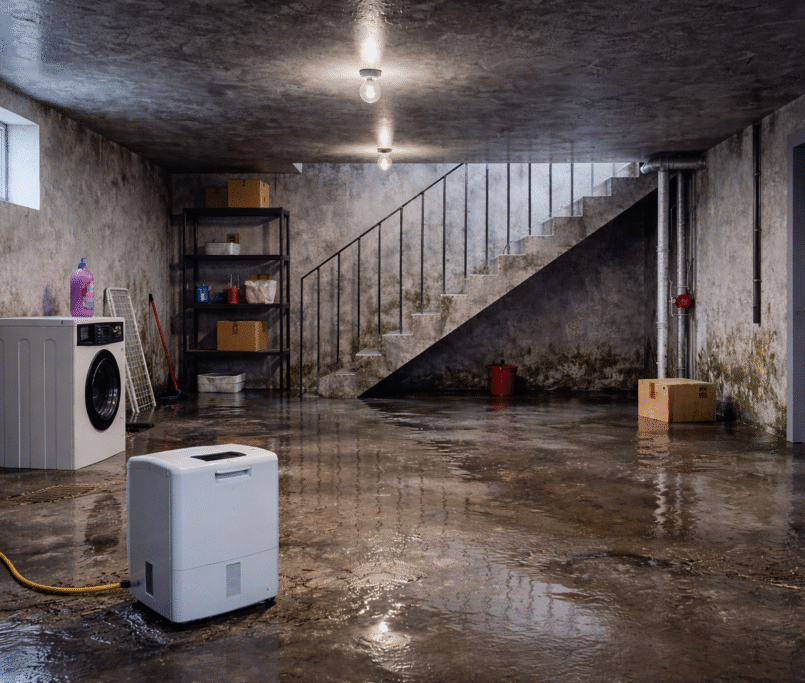
Transforming an unfinished basement into a comfortable and functional living area is one of the most strategic improvements a homeowner can make. An unfinished basement typically consists of exposed framing, concrete walls, visible ductwork, and minimal lighting.
While it may currently serve as storage space, it holds significant potential for expanding usable square footage and increasing property value.
For homeowners considering basement remodeling in Renton, working with an experienced contractor such as Grand Building Construction ensures that the process is handled with technical precision and full code compliance.
Converting a raw lower level into a safe, attractive living space requires careful planning, structural assessment, moisture control, and thoughtful design execution.
Comprehensive Planning and Structural Evaluation
Before any framing begins or materials are selected, a thorough planning and evaluation phase is essential. Underlying structural and environmental conditions determine whether the space can be safely converted into a livable area.
For homeowners moving forward with basement remodeling in Renton, this stage establishes the technical foundation for a successful renovation.
Start With a Comprehensive Assessment
Before framing walls or selecting finishes, the first step in basement remodeling is evaluating the existing condition of the space. This includes inspecting the foundation for cracks, identifying signs of water intrusion, and reviewing the condition of electrical and plumbing systems.
An unfinished basement may appear structurally sound at first glance, but hidden moisture problems or foundation issues can compromise a renovation if not addressed early. It is essential to determine whether the basement is dry year-round and whether exterior grading properly directs water away from the foundation.
Additionally, ceiling height must meet local building codes if the space will be converted into a bedroom or living area. Identifying structural or regulatory limitations at the outset prevents costly adjustments later in the project.
Define the Purpose of the Finished Space
A successful remodel begins with a clear vision. The design approach for a home theater differs significantly from that of a rental unit or guest suite. Before advancing with basement remodeling, homeowners should define how the space will function.
Common uses for finished basements include family rooms, home offices, playrooms, fitness areas, guest bedrooms, and accessory dwelling units. Each use influences layout decisions, plumbing needs, electrical load, and ventilation requirements.
A well-defined purpose guides layout planning and ensures that infrastructure improvements support the intended use.
Address Moisture and Waterproofing First
Moisture control is one of the most critical components of converting an unfinished basement into a livable space. Concrete is porous and naturally allows some level of moisture transfer. Without mitigation, humidity can damage insulation, drywall, and flooring materials.
During basement remodeling, waterproofing measures may include sealing foundation cracks and applying vapor barriers along foundation walls. In some cases, improving exterior drainage and downspout extensions is necessary to reduce hydrostatic pressure against the foundation.
A dry basement is essential before any framing or finishing materials are installed. Skipping this step can result in mold growth and costly remediation.
Plan for Electrical and Lighting Upgrades
Unfinished basements often contain limited lighting and minimal electrical outlets. Converting the space into a living area requires a comprehensive electrical upgrade.
When undertaking basement remodeling in Renton, additional circuits may be required to support lighting, entertainment systems, office equipment, or appliances. Building codes typically require ground fault and arc fault protection in basement environments.
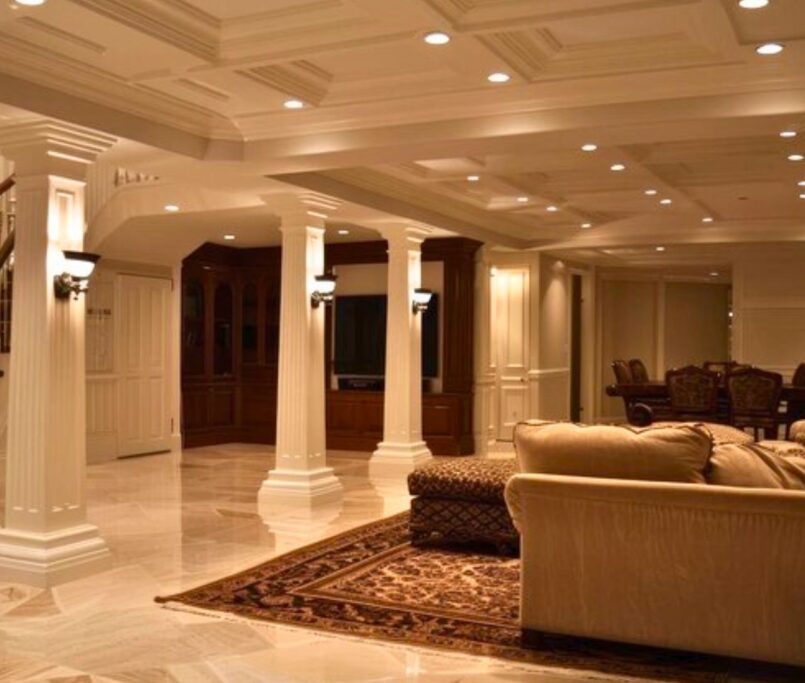
Lighting design is also critical. As basements receive limited natural light, layered lighting strategies work best. Recessed ceiling fixtures, wall sconces, and task lighting can create a warm and inviting atmosphere. Proper electrical planning ensures safety, functionality, and visual appeal.
Upgrade Plumbing if Adding a Bathroom or Wet Bar
Adding a bathroom significantly increases the usability and value of a finished basement. However, plumbing modifications require careful engineering.
For homeowners pursuing basement remodeling, installing a bathroom below grade may require a sewage ejector pump to move wastewater to the main sewer line. Proper venting and drainage slope must also be incorporated to meet code requirements.
If the project includes a wet bar or laundry area, supply lines and drain connections should be planned during the rough-in phase. Coordinating plumbing work early prevents costly alterations after framing is complete.
Frame and Insulate Properly
Framing transforms an open concrete area into defined rooms. However, framing in basements requires moisture-conscious techniques. During basement remodeling in Renton, pressure-treated lumber is typically used for bottom plates in contact with concrete.
Walls should be framed with a slight gap from foundation surfaces to allow for airflow and moisture management. Insulation is equally important. Rigid foam board or closed-cell spray foam is often recommended against foundation walls to control temperature and reduce condensation risk. Proper insulation enhances comfort and energy efficiency while protecting finishes from moisture damage.
Ensure Code Compliance and Egress Safety
If the remodeled basement includes a bedroom, egress windows that meet size and accessibility requirements are mandatory. These windows provide emergency escape routes and must comply with local regulations.
When planning basement remodeling in Renton, ceiling height, stairway dimensions, smoke detectors, and carbon monoxide alarms must also meet code standards. Permits and inspections are required for structural, electrical, and plumbing modifications.
Working with experienced professionals ensures that all aspects of the renovation pass inspection and provide long-term safety.
Install Durable and Moisture-Resistant Finishes
Material selection in a basement environment differs from above-grade living areas. Flooring and wall finishes should be resistant to humidity and potential minor moisture exposure.
In basement remodeling in Renton, luxury vinyl plank flooring, tile, and engineered wood products are often preferred over traditional hardwood. Moisture-resistant drywall or cement board may be used in certain areas.
Ceiling treatments such as drywall or suspended systems can conceal ductwork while maintaining access to mechanical components if needed. Selecting appropriate materials ensures durability and longevity.
Incorporate Ventilation and Climate Control
As basements are partially or fully below grade, they can feel cooler and more humid than upper levels. Extending the existing HVAC system or installing supplemental heating ensures consistent temperature control.
Proper ventilation is an essential component of basement remodeling in Renton. Mechanical ventilation or dehumidification systems help maintain healthy indoor air quality and prevent condensation. Balanced airflow improves comfort and protects the investment in new finishes.
Plan for Soundproofing and Privacy
If the finished basement will serve as a media room, rental unit, or office, sound control should be addressed during construction. Homeowners undertaking basement remodeling in Renton often add insulation between floor joists and use resilient channel systems to reduce sound transmission to upper floors. Thoughtful acoustic planning enhances usability and privacy.
Final Inspection and Finishing Touches
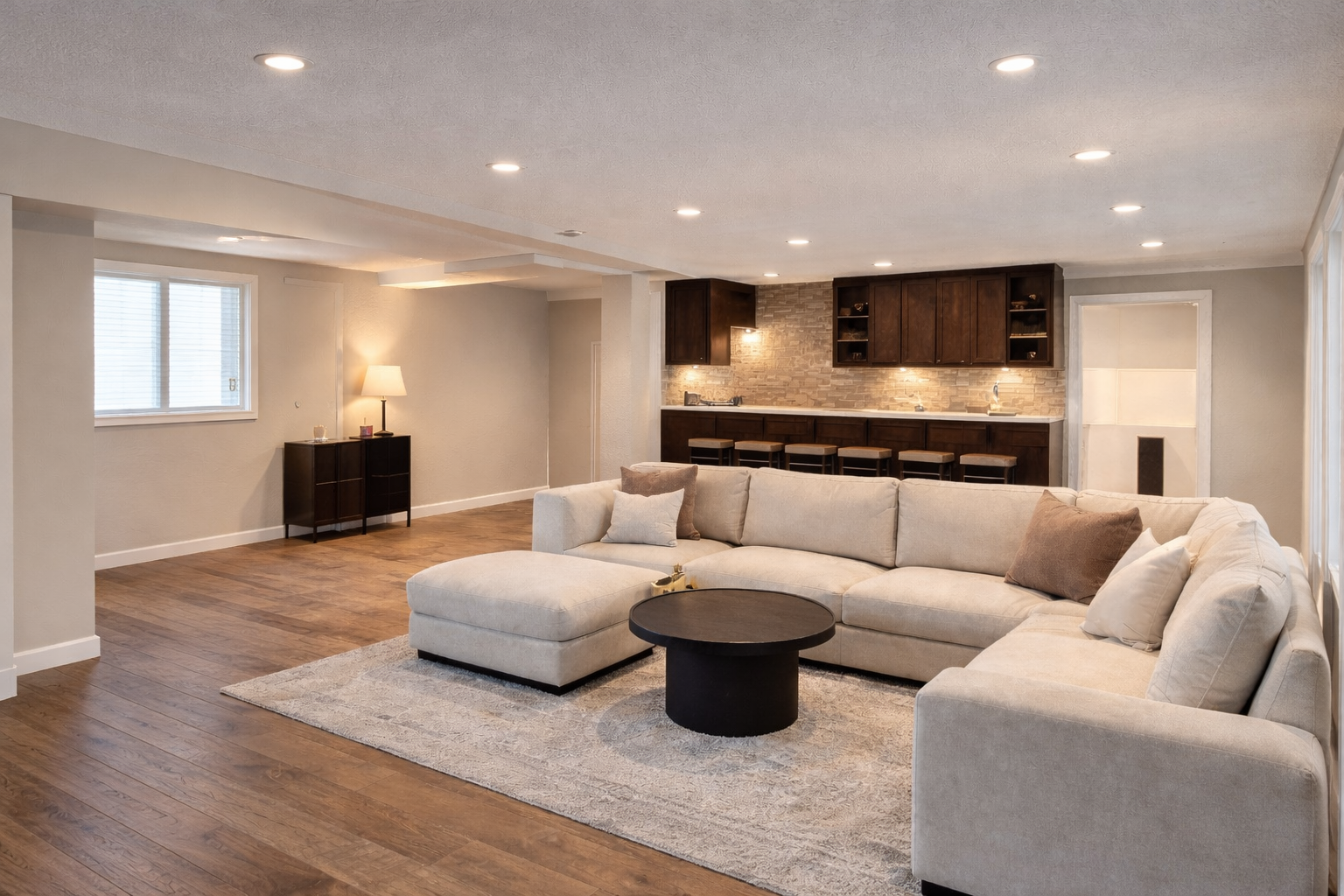
After construction is complete, final inspections ensure that all work meets code requirements. Once approved, finishing touches such as paint, trim, cabinetry, and furnishings bring the space to life.
The final stage of basement remodeling in Renton involves transforming a once unfinished area into a seamless extension of the home. Attention to detail during finishing creates a cohesive and inviting atmosphere.
Turning an Unfinished Basement Into Lasting Value
Remodeling an unfinished basement is a comprehensive process that requires structural awareness, moisture control, system upgrades, and design expertise. Each phase builds upon the previous one, and skipping foundational steps can compromise long-term performance.
For homeowners pursuing basement remodeling in Renton, partnering with Grand Building Construction ensures that every stage is executed with professionalism and precision.
With proper planning and skilled craftsmanship, an unfinished basement can become a comfortable, safe, and valuable living space that enhances both lifestyle and property value.
Frequently Asked Questions
How long does it take to remodel an unfinished basement?
Project timelines vary based on size and complexity. A typical renovation may take several weeks to a few months, depending on structural work and inspections required.
Do I need a permit to finish my basement in Renton?
Yes. Structural, electrical, plumbing, and bedroom additions generally require permits and inspections to comply with local building codes.
How much does basement remodeling cost?
Costs depend on the size of the space, intended use, and extent of system upgrades. Adding bathrooms or kitchens increases overall investment.
Is waterproofing necessary for an unfinished basement remodel?
Yes. Ensuring the basement is dry before installing finishes prevents mold growth and structural damage.
Can I add a bedroom to my basement?
Yes, provided you install code-compliant egress windows and meet minimum ceiling height and safety requirements.