What To Know Before Starting An Old House Basement Remodeling Project?
Renovating the basement of an older home is one of the most effective ways to increase livable square footage and boost long-term property value. However, aging structures come with hidden structural limitations, outdated systems, and regulatory requirements that demand careful planning. Unlike new construction, older homes often require corrective work before improvements can begin.
If you are planning basement remodeling in Newcastle, WA, working with an experienced contractor such as Grand Building Construction can help you identify risks early and implement solutions. A successful project begins with understanding what lies behind the walls and beneath the slab before any finishes are installed.
Preliminary Evaluation and Project Planning
Before beginning demolition or design, a comprehensive evaluation of the basement’s existing condition is essential. This initial phase determines whether the space can realistically support your intended use and identifies any structural or environmental issues that must be addressed first.
Homeowners considering basement remodeling in Newcastle, WA, should start by clarifying how they want to use the finished space. A guest suite, rental unit, entertainment area, or home office each carries different plumbing, electrical, insulation, and egress requirements.
Establishing a clear purpose early ensures that engineering, layout planning, and budgeting align with your goals. During this planning stage, contractors will assess ceiling height, foundation integrity, and the condition of mechanical systems. A well-defined scope minimizes surprises once construction begins.
Structural Considerations in Older Basements
Older homes were built using construction methods and materials that may not meet current standards. Stone foundations, brick masonry, and early poured concrete systems behave differently from modern reinforced concrete. Over time, soil pressure and moisture exposure can cause cracking, settlement, or bowed walls.
When undertaking basement remodeling in Newcastle, WA, a structural inspection is critical. Hairline cracks may be superficial, but horizontal cracks or inward wall movement may indicate hydrostatic pressure or foundation stress. Reinforcement systems such as wall anchors or steel bracing may be necessary before interior framing proceeds.
Floor systems should also be evaluated for sagging joists or insufficient load capacity. In some older homes, structural upgrades are required to safely support modern living spaces.
Moisture Control and Waterproofing
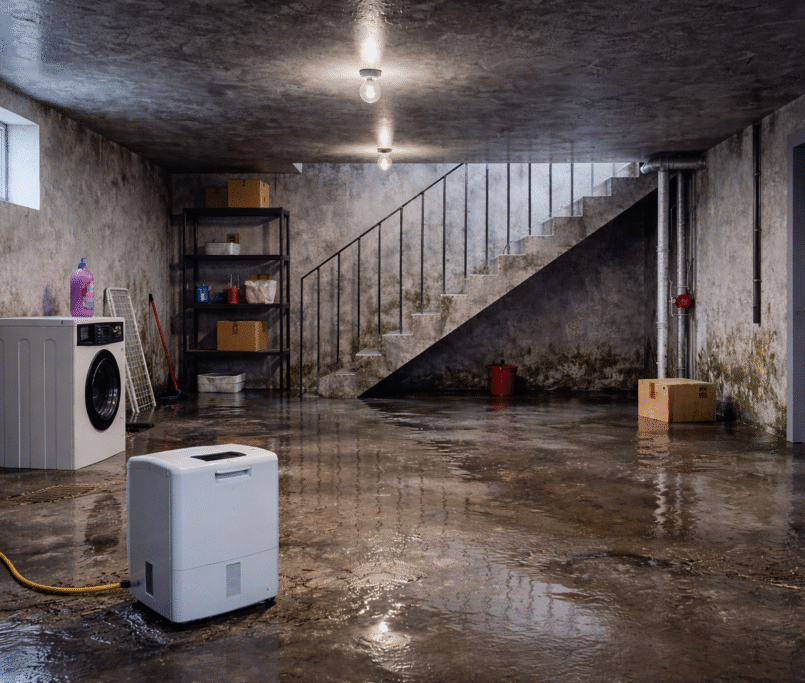
Moisture intrusion is one of the most common issues in older basements. Many homes constructed decades ago lack perimeter drainage systems, foundation membranes, or vapor barriers. As a result, groundwater seepage and condensation are frequent problems.
Before moving forward with basement remodeling in Newcastle, WA, it is essential to identify signs of water infiltration. Efflorescence on masonry surfaces, musty odors, and seasonal dampness indicate the need for corrective measures.
Waterproofing solutions may include crack injection sealing, interior drain systems, sump pump installation, and exterior grading improvements.
As Newcastle experiences significant rainfall, moisture mitigation must be comprehensive rather than cosmetic. Addressing water issues before installing drywall or flooring prevents mold growth and long-term structural deterioration.
Electrical System Upgrades
Electrical systems in older homes may not be equipped to handle modern power demands. Outdated wiring, limited panel capacity, and insufficient grounding can create safety hazards and restrict functionality.
Homeowners planning basement remodeling in Newcastle, WA, should evaluate whether their electrical panel can accommodate additional circuits for lighting, outlets, and appliances.
Current building codes often require arc fault and ground fault protection in finished basements, which may necessitate panel replacement or upgrades. Upgrading wiring during the renovation phase ensures that the new living space is both safe and code-compliant.
Plumbing and Drainage Modifications
Adding bathrooms, wet bars, or laundry areas in a basement requires careful plumbing planning. Older homes may have galvanized steel pipes that corrode over time and restrict water flow.
For projects involving basement remodeling in Newcastle, WA, plumbing professionals must confirm that drainage lines have proper slope and venting. In below grade conditions, wastewater may need to be pumped upward to reach the main sewer line.
This often requires the installation of a sewage ejector pump system. Completing plumbing upgrades during construction prevents invasive modifications after finishes are complete.
Code Compliance and Permit Requirements
Converting an unfinished basement into a habitable space requires adherence to local building codes. Structural changes, plumbing installations, electrical upgrades, and window enlargements all require permits and inspections.
When pursuing basement remodeling in Newcastle, WA, egress windows must meet minimum size and accessibility standards if bedrooms are included. Ceiling heights, insulation R values, smoke detectors, and carbon monoxide alarms must also comply with current regulations.
Failing to obtain proper permits can lead to fines, insurance complications, and difficulties during resale. Working with knowledgeable professionals streamlines the approval process.
Insulation and Energy Efficiency Improvements
Older basements are often poorly insulated, leading to cold floors and increased heating costs. Proper insulation improves comfort and reduces long-term energy consumption.
During basement remodeling, installing rigid foam or closed-cell spray foam insulation along foundation walls helps control both temperature and moisture. Sealing rim joists and incorporating insulated subfloor systems further enhances energy performance.
Upgrading to energy-efficient windows for any new egress openings also contributes to overall thermal efficiency and indoor comfort.
Addressing Hazardous Materials
Homes built before modern environmental regulations may contain asbestos or lead-based paint. Disturbing these materials during demolition can pose health risks. Before beginning basement remodeling, professional testing should be conducted.
If hazardous substances are present, licensed abatement contractors must manage removal in accordance with safety standards. Proactive identification prevents project delays and protects occupants and workers.
Designing for Long-Term Functionality
Once structural and mechanical concerns are resolved, design considerations take priority. A finished basement offers flexibility for expanding household needs.
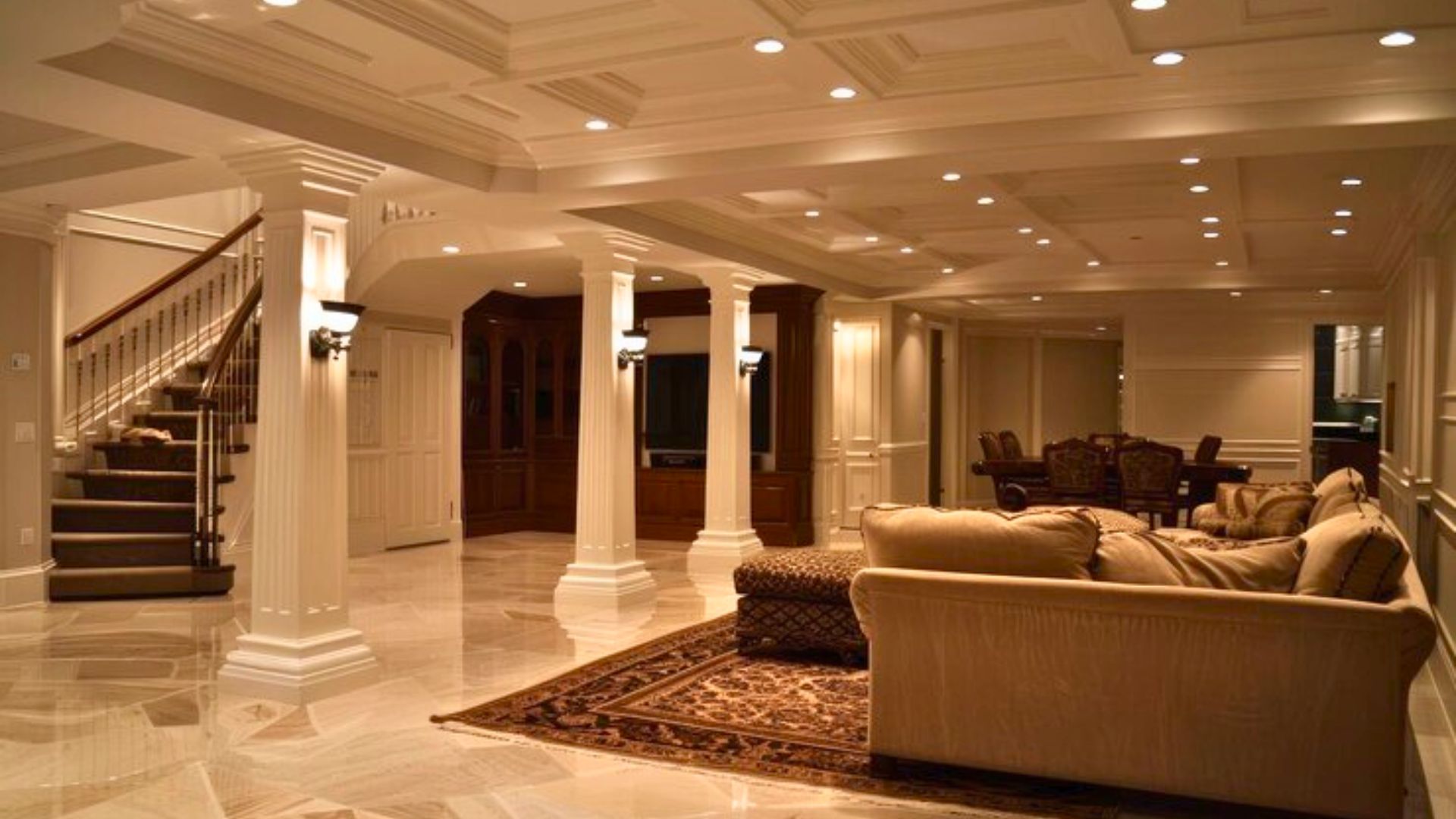
Successful basement remodeling often focuses on maximizing natural light through enlarged windows and strategic lighting placement. Light colored finishes and open layouts help counteract the enclosed feel typical of below-grade spaces.
Incorporating a bathroom or secondary living area increases usability and resale value. Flexible floor plans that can adapt to future lifestyle changes provide lasting benefits.
Budget Planning and Contingency Reserves
Renovating an older home carries a higher likelihood of unexpected discoveries once walls are opened. Hidden water damage, outdated framing, or structural deficiencies may require corrective action.
Homeowners pursuing basement remodeling should allocate a contingency reserve of ten to twenty percent of the overall project cost. Detailed cost breakdowns and clear communication with your contractor reduce financial uncertainty. Proactive budgeting allows adjustments without compromising quality.
Ventilation and Indoor Air Quality
Basements naturally experience limited airflow compared to upper floors. Without adequate ventilation, humidity levels can rise and affect air quality.
Integrating HVAC extensions, mechanical ventilation, or dehumidification systems during basement remodeling helps maintain balanced humidity and temperature. Proper air circulation protects finishes and supports a healthy indoor environment.
Acoustic Considerations
Noise transfer between the basement and upper levels can be significant in older homes due to limited insulation between joists.
Incorporating sound-dampening materials during basement remodeling in Newcastle, WA, improves privacy and comfort. Acoustic insulation, resilient channels, and additional drywall layers reduce sound transmission and enhance the usability of the space.
Turning an Aging Basement Into a Strategic Investment
An old basement renovation is more than a cosmetic upgrade. It is a comprehensive transformation that requires structural evaluation, moisture mitigation, system modernization, and code-compliant construction. Each phase must be approached methodically to ensure safety and long-term durability.
For homeowners considering basement remodeling in Newcastle, WA, Grand Building Construction provides the expertise needed to manage complex renovations with precision. With proper planning and professional execution, an underutilized basement can become one of the most valuable and functional areas of your home.
Frequently Asked Questions
How much does it cost to remodel an older basement?
Costs vary depending on structural repairs, waterproofing needs, and finish selections. A detailed inspection is necessary to provide an accurate estimate.
Do I need permits for basement remodeling?
Yes. Most structural, electrical, and plumbing modifications require permits and inspections to meet local building codes.
How long does an old basement renovation take?
Timelines depend on project scope and any required structural corrections. Older homes may require additional time for inspections and upgrades.
Can a bathroom be added to a basement?
In many cases, yes. Plumbing modifications may require the installation of a sewage ejector pump if the basement sits below the main sewer line.
Why is waterproofing so important before finishing a basement?
Water intrusion can damage insulation, drywall, and flooring. Addressing moisture concerns first protects your investment and prevents mold growth.